We talk about looking after ourselves all the time. Eating well, getting enough sleep, making time to rest. We invest in skincare, exercise and the little rituals that help us feel good.
But there’s one part of our wellbeing that often gets left out of the conversation: our sexual wellness.
Perhaps because it feels too personal. Perhaps because we were never encouraged to talk about it openly. Or perhaps because we’re simply not sure what it means.
Sexual wellness isn’t just about sex. It’s about feeling at home in your own body, understanding what you enjoy, recognising your boundaries and having the freedom to explore intimacy in a way that feels right for you.
And just like any other part of self-care, it deserves a little attention.
In short: sexual wellness is your physical, emotional and mental wellbeing in relation to intimacy. It isn’t measured by how often you have sex or what you own. It’s about feeling at ease in your body, knowing your boundaries and exploring, or not, at your own pace.
So, what exactly is sexual wellness?
Sexual wellness is about your physical, emotional and mental wellbeing in relation to sexuality and intimacy.
It involves far more than sexual activity or how often you have sex. It includes how you feel about your body, your relationship with pleasure, your confidence, your personal boundaries and your ability to say what you need.
The World Health Organization takes a similar view, describing sexual health as part of our wider physical, emotional, mental and social wellbeing.
In everyday terms, sexual wellness might mean feeling confident enough to tell a partner what you like. It might mean becoming more familiar with your body, feeling able to say no, or simply giving yourself permission to enjoy intimacy without embarrassment.
And sometimes, it means recognising that you’re not particularly interested in sex right now. That’s perfectly valid, too.
There isn’t one correct way to experience sexual wellness. What matters is that your relationship with intimacy feels healthy, safe and right for you.
Why does sexual wellness matter?
Think about how much our everyday lives influence the way we feel.
A stressful week at work, poor sleep, changes in our relationships or simply having too much on our minds can affect our interest in intimacy.
Our bodies and emotions don’t operate separately. How we feel mentally can influence how we experience physical closeness, and the other way round.
Making space for sexual wellbeing can help us become more aware of our needs, understand our preferences and talk about them more easily.
It can also help us notice when something doesn’t feel right, and when we might benefit from some extra support.
But there’s something else worth remembering.
Sexual wellness shouldn’t become another thing on your self-improvement checklist. You don’t need a particular level of desire, a perfect relationship or a collection of expensive products to feel sexually well.
Sometimes, the most positive thing you can do is simply take the pressure away.
Getting to know your body
When was the last time you gave yourself time to understand what genuinely feels good, without worrying about anyone else’s expectations?
For many people, the answer isn’t straightforward.
We’re surrounded by messages about how our bodies should look and how intimacy should happen. Yet there’s surprisingly little encouragement to discover what we actually enjoy.
Getting to know your body doesn’t need to be complicated.
It might begin by noticing what helps you relax, what kinds of touch you enjoy or what makes you feel confident.

For some, self-pleasure is a natural part of that discovery. For others, it might involve reading, asking questions or simply spending more time at ease with their body.
There’s no deadline, no expected outcome and certainly no need to compare your experience with anyone else’s.
Curiosity is enough.
Intimacy is about more than physical pleasure
It’s easy to associate intimacy with sex, but some of our most meaningful intimate moments have very little to do with sexual activity.
Holding hands during a difficult conversation. Feeling safe enough to share something personal. Spending an evening together without phones or distractions.
Intimacy often begins with trust and feeling understood.
In a relationship, sexual wellness includes being able to talk openly about your feelings, desires and boundaries. That doesn’t mean every conversation needs to be serious or uncomfortable.
Sometimes it’s as simple as asking, “What do you enjoy?” or “Would you like to try something different?”
And if you’re not in a relationship, intimacy with yourself matters just as much. Understanding your own needs can help you feel surer of your choices, now and in any future relationship.
What about desire? Is it normal for it to change?
Absolutely.
Sexual desire isn’t something that stays the same throughout our lives.
Stress, tiredness, medication, hormonal changes, pregnancy, menopause, physical health and relationship circumstances can all influence how interested we feel in sex.
Some people experience frequent desire. Others experience very little, or none at all. Neither automatically means there’s a problem.
It’s also common for desire to change over time, or for someone to feel interested in intimacy only after they’ve had a chance to relax and connect.
Rather than focusing on how often you should want sex, it can be more helpful to ask yourself how you feel about your current experience.
If a change in desire, discomfort or other symptoms are bothering you, a GP or a sexual health service can help you understand what might be happening.
Sexual wellbeing is about feeling informed and supported, not meeting anyone else’s expectations.
How to make sexual wellness part of your self-care
You don’t need to make big changes to begin.
Small habits can make a real difference to how connected you feel with yourself and others.
Make time without expectations
Not every quiet evening needs to be productive.
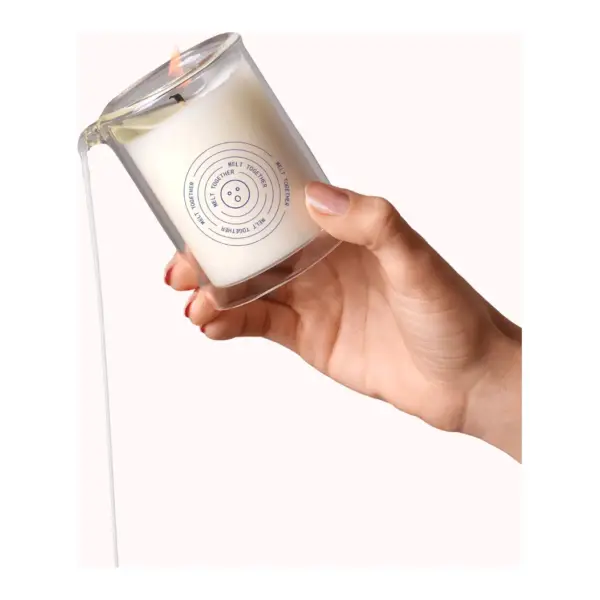
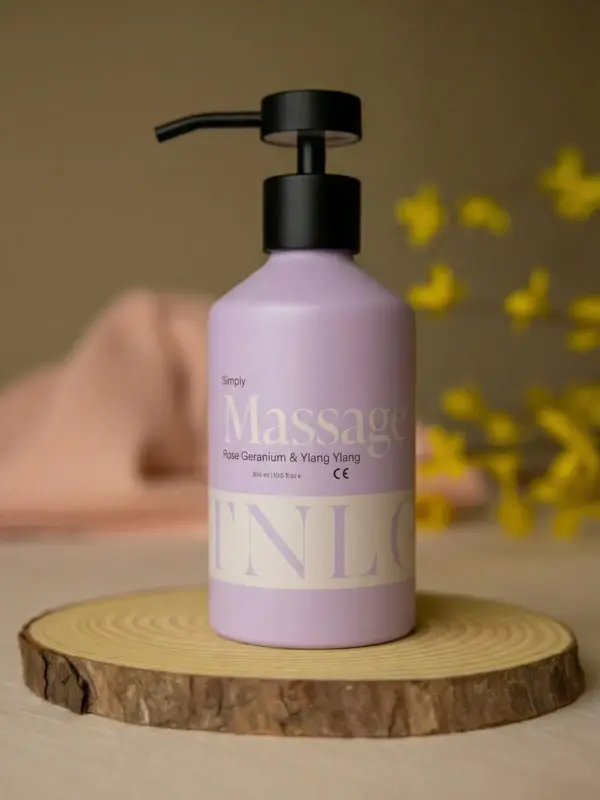
Perhaps you enjoy a warm bath, a slow massage or a little time away from your phone. A massage oil candle or a simple massage oil can make an ordinary evening feel slower, but the time itself is what matters.
Making space to relax gives you a chance to reconnect with your body without feeling that the moment needs to lead anywhere.
Be curious about what you enjoy
Our preferences are personal, and they can change.
You might discover that you enjoy gentle touch, a particular kind of massage or simply having more time to yourself.
For those interested in exploring self-pleasure, intimate wellness products can be one option.
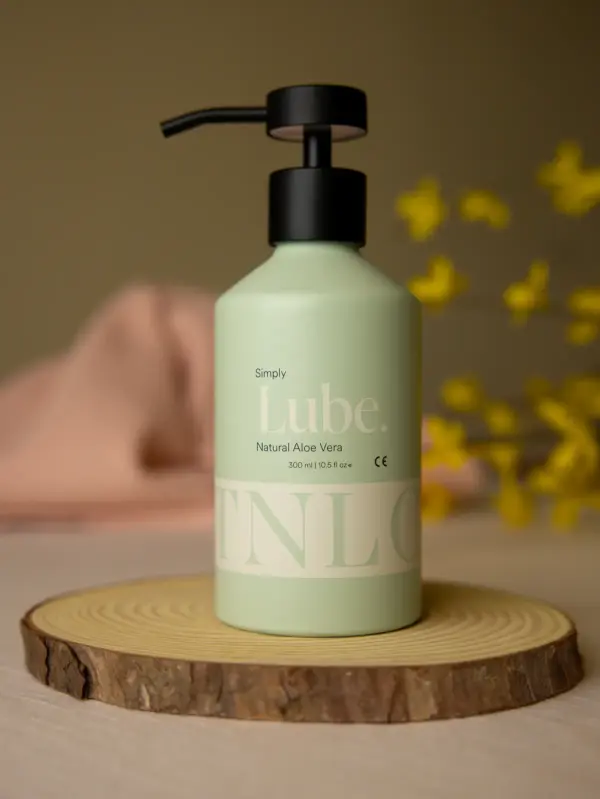
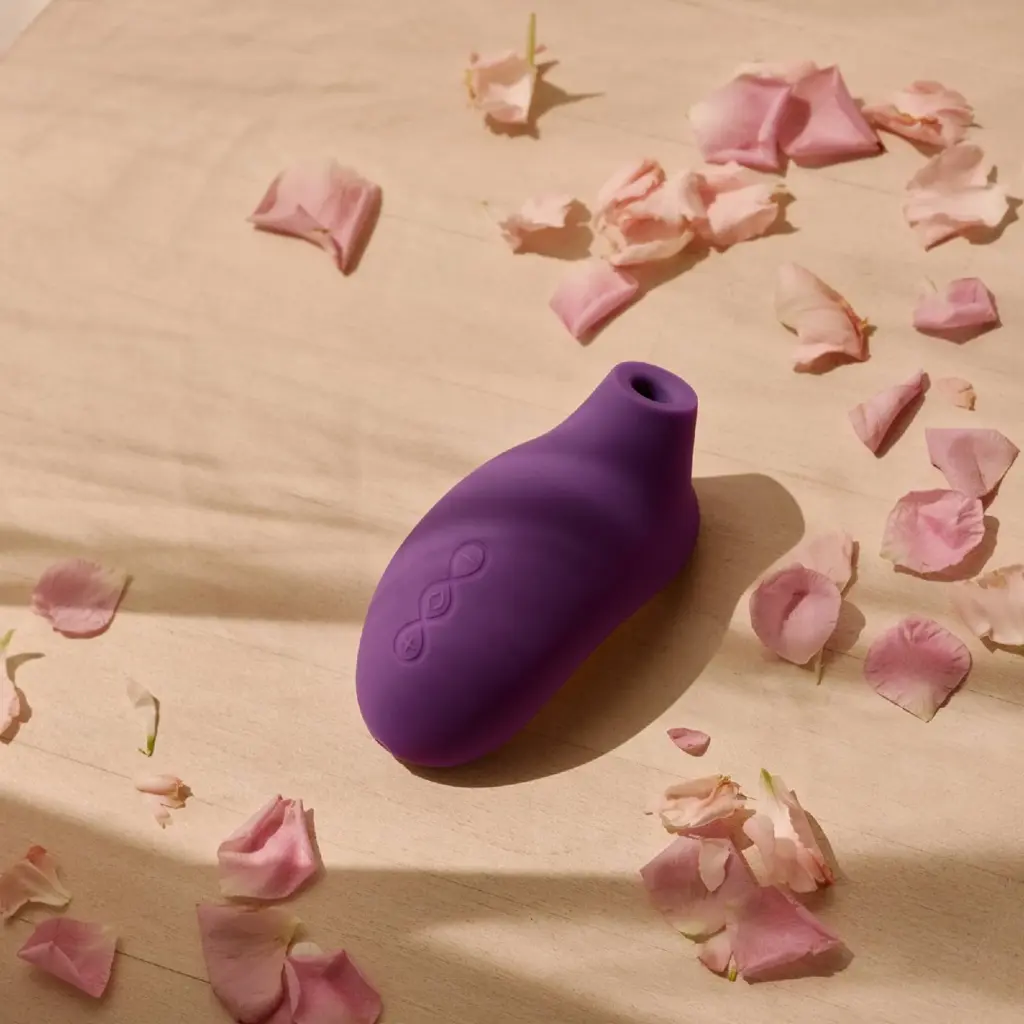
A small, well-designed personal massager such as LELO’s NEA 3, a good-quality water-based lubricant or a beginner-friendly toy may offer a new way to explore. If you’re not sure where to begin, our guide to choosing a first vibrator keeps it simple. But none of these is essential.
The important thing is choosing what feels right for you.
Talk about intimacy
We sometimes expect our partners to understand our needs without explaining them.
In reality, honest conversations can make intimacy feel more relaxed and enjoyable.
Talking about what you like, what you’d prefer to avoid or what you’d like to explore together can help build trust.
And remember, being able to say no is just as important as being able to say yes.
Choose comfort over pressure
There is no ideal frequency for sex or self-pleasure. No particular experience that everyone needs to try.
Sexual wellness isn’t a competition, and pleasure shouldn’t feel like an obligation.
You are allowed to take your time, change your mind or decide that something simply isn’t for you.
Do sexual wellness products have a place in self-care?
They certainly can, but they aren’t the whole picture.
For some people, a personal massager is simply another way to discover what they enjoy. For couples, a massage oil or a carefully chosen intimate product might help bring something new into their time together.
Others may prefer to focus on communication, relaxation or getting to know their bodies.
If you do choose to explore intimate wellness products, quality matters.
Look for clear information about materials, how to clean the product, which lubricants it works with and how to use it safely. A gentle toy cleaner makes the cleaning part easy.
Choose something that suits your comfort level rather than assuming that more features or a higher price will make it better.
The right product should complement your experience, not define it.
A kinder way to think about pleasure
Perhaps the biggest change we can make is to stop treating sexual wellness as something embarrassing or separate from the rest of our lives.
We already understand the importance of looking after our physical and emotional health. Our relationship with intimacy deserves the same consideration.
That doesn’t mean talking openly about every private experience. It doesn’t mean buying anything or changing your lifestyle.
It simply means recognising that comfort, curiosity, respect and pleasure can all have a place in our personal wellbeing.
At Seda Alma, we believe intimate wellness should feel personal, considered and free from unnecessary pressure.
That’s why we keep our range small and carefully chosen, and make it easy to explore at your own pace.
Whether you’re beginning to discover what you enjoy, looking for something to share with a partner or simply learning more about intimate wellbeing, there’s no one-size-fits-all answer.
Not sure where to start? Our guided quiz asks four questions, with no awkwardness, and suggests three products that suit you.
Frequently asked questions
Is sexual wellness the same as sexual health?
The two are closely connected. Sexual health includes physical health, safer sex, the prevention and treatment of sexually transmitted infections, and access to the right healthcare. Sexual wellness also places emphasis on pleasure, emotional comfort, confidence, communication and personal wellbeing. Neither should be considered separately from the other.
Can you focus on sexual wellness if you’re single?
Of course. Sexual wellness doesn’t depend on being in a relationship. It can involve understanding your body, exploring your preferences, recognising your boundaries and feeling at ease with your own sexuality.
Does sexual wellness involve using sex toys?
Not necessarily. Personal pleasure products can be part of someone’s sexual self-care, but they aren’t essential. Sexual wellness also includes education, emotional wellbeing, consent, communication and feeling safe.
What if I’m not interested in sex?
Having little or no interest in sex doesn’t automatically mean something is wrong. Desire varies between people and throughout life. What matters is how you feel about it. If changes are unexpected, worrying or distressing, speaking with a GP or a sexual health service can help.
How do I start improving my sexual wellbeing?
Start with something simple. Give yourself time to understand your needs, learn about your body and be open about your boundaries. If you’re curious about intimate products, explore at your own pace and choose what feels right for you.